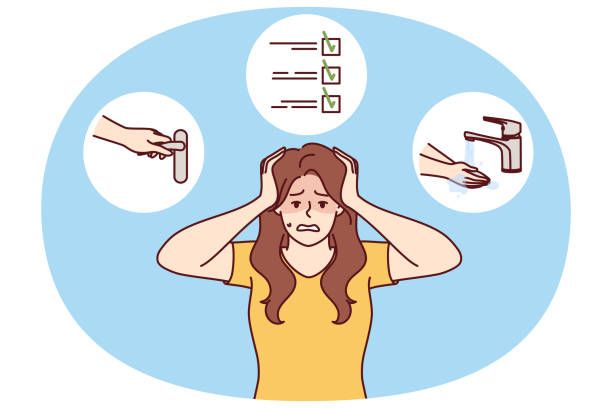
What Is ERP for OCD ? A Practical Guide

Quick Summary


Exposure and Response Prevention (ERP) is a structured form of cognitive-behavioral therapy designed specifically for obsessive-compulsive disorder (OCD). In ERP, you face triggers (exposure) while refraining from rituals (response prevention). By doing this repeatedly and safely, your brain learns that anxiety fades on its own and that compulsions aren’t necessary.


What exactly is ERP?


ERP is a step-by-step therapy that helps you unlearn the OCD cycle. OCD runs on a loop:

  1. Trigger/Intrusive thought
  2. Anxiety/urge
  3. Compulsion (overt or mental) →
  4. Short-term relief
  5. More doubt later

ERP breaks this loop by practicing two core skills at the same time:

  • Exposure: Purposefully approaching a feared situation, image, thought, or feeling.
  • Response Prevention: Choosing not to perform the ritual or safety behavior that usually follows.

Over time, your nervous system recalibrates: the same triggers feel less urgent; the urge to ritualize weakens; daily life opens back up.


What ERP is not


  • It’s not “throwing you in the deep end.” ERP is graded: we start with easier tasks and work up.
  • It’s not reassurance-based talk therapy. Insight helps, but behavior change drives the healing.
  • It’s not about proving danger is impossible. It’s about tolerating uncertainty and choosing your values anyway.


What does an ERP session look like ?


1) Assessment & map. We identify obsessions, compulsions (including mental ones), triggers, and your values.
2) Exposure hierarchy. Together we build a ranked list (0–10) of challenges—from “easy” to “hard.”
3) Live practice. In session, we approach a chosen trigger and drop the ritual. You watch the anxiety rise, peak, and fall.
4) Between-session reps. You repeat the same exposure at home, with clear steps and guardrails.
5) Review & adjust. We track progress, troubleshoot mental rituals, and climb the hierarchy at your pace.

Example (Checking OCD):

  • Easy: Leave the house after locking the door once, wait 5 minutes before re-checking.
  • Medium: Leave after locking once, no photos, drive around the block.
  • Hard: Lock once and go straight to work, no reassurance texts, no returning.


Why does ERP work ?


  • Habituation & inhibitory learning: when you face triggers without rituals, your brain updates: “This feels dangerous, but I survived; I don’t need the compulsion.”
  • Uncertainty tolerance: you practice carrying “maybe/maybe not” without trying to erase doubt.
  • Value-based action: instead of chasing perfect certainty, you invest time and energy in what actually matters.


ERP vs. “regular CBT”


CBT is a broad family of skills (thought reframing, behavioral experiments, etc.). ERP is a specialized CBT protocol built for OCD’s unique mechanics (intrusions + compulsions + uncertainty). Many people try general CBT and feel stuck; ERP targets the ritual loop directly.


Will I have to do the hardest thing first?


No. Good ERP is dose-controlled. We start where success is realistic (often SUDS 4–6 out of 10). You’ll challenge yourself, but you’ll also feel supported and in control, with clear yes/no rules around rituals.


What about mental compulsions?


Compulsions aren’t just visible behaviors. They can be internal:

  • Reassuring yourself, reviewing memories, analyzing “what it means,” praying “just right,” counting, repeating.
    ERP targets these too. We name them specifically and create
    no-mental-ritual rules for each exposure.


Common ERP myths—debunked


  • “ERP is cruel.” It’s actually compassionate exposure, tailored to your pace. The aim is freedom, not suffering.
  • “I must feel calm to succeed.” Success = no rituals during the exposure. Calm comes later.
  • “If anxiety doesn’t drop, ERP failed.” Not true. The brain learns from non-reinforcement even when anxiety stays elevated in the moment.


Who benefits from ERP ?


ERP helps across OCD themes: contamination/washing, checking, “just right”/symmetry, harm/violent or sexual intrusions, scrupulosity, relationship (ROCD), and more. It can be adapted for teens and adults, in-person or online.


Who might need a modified approach?

  • Severe depression, high suicide risk, acute substance withdrawal, or untreated psychosis may require stabilization first. Your therapist will screen and sequence care appropriately.


What progress typically looks like


  • Weeks 1–2: Learning the model, building the hierarchy, first easy/medium exposures.
  • Weeks 3–6: Reps add up; anxiety peaks fall faster; rituals shrink.
  • Weeks 7–12: Generalization—gains show up across situations; you move independently.
    Everyone’s timeline is different, but
    consistent practice is the strongest predictor of success.


Simple starter: build your first exposure


  1. Pick one trigger that feels challenging but doable (SUDS 4–6/10).
  2. Define “no rituals.” List both overt and mental compulsions you’ll drop.
  3. Set a timer (10–15 minutes).
  4. Do the exposure and allow discomfort.
  5. Afterward: Rate anxiety again and write one line: “I chose values over rituals.”

Example (Contamination OCD): Touch the garbage can; prepare a snack; no handwashing until the timer ends.


Parents & partners: how to help


  • Reduce accommodation. Instead of answering reassurance questions or participating in rituals, validate feelings and redirect to the ERP plan.
  • Use scripts. “I care about you, and I won’t do reassurance. Let’s look at your next step on the plan.”


Frequently asked questions


Is ERP safe?
Yes when properly delivered. It’s uncomfortable by design, but exposures are
planned, paced, and consented.

Do I have to tell my therapist every intrusive thought?
You don’t have to share graphic detail to get help. We need to understand the pattern (trigger → compulsion) so we can target it.

What if my OCD theme is taboo or embarrassing?
You’re not alone. ERP focuses on the process, not the content. Intrusions say nothing about your character.

Will medication help?
Many people combine ERP with an SSRI prescribed by a physician. ERP remains the
active skill that changes behavior and maintains gains.


Ready to try ERP ?


With guidance, ERP is learnable and effective. If you’re in Ontario (or online), I offer structured ERP with weekly sessions, clear home practice plans, and support for partners when useful.

Call to action options (pick one):

  • Book a free 15-minute consult to see if ERP fits your goals.
  • Download a free ERP Starter Worksheet (exposure hierarchy + “no mental rituals” checklist).
  • Email me your top trigger, and I’ll send back a one-page first-exposure plan.

By Aaron Van Beilen January 12, 2026
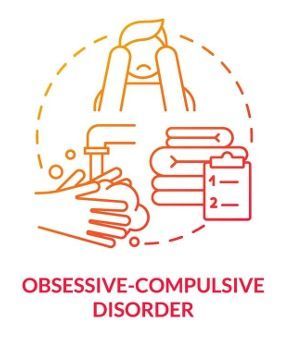
Cleaning and organizing are healthy habits for many people. However, for individuals with Cleaning OCD, the urge to clean is not about preference or hygiene—it is driven by intense anxiety and intrusive thoughts that feel impossible to ignore. Cleaning OCD is a subtype of Obsessive-Compulsive Disorder (OCD) where a person experiences persistent fears about contamination, germs, illness, or moral “uncleanliness,” followed by compulsive cleaning or washing rituals meant to reduce that fear. What Is Cleaning OCD ? Cleaning OCD, also known as contamination OCD, involves: Intrusive thoughts about germs, dirt, toxins, or illness Fear of spreading contamination to others Intense discomfort when objects or spaces feel “unclean” Repetitive cleaning, disinfecting, hand-washing, or showering Avoidance of places, people, or surfaces perceived as dirty These behaviors are not about liking cleanliness. They are attempts to neutralize anxiety and prevent imagined harm. Common Symptoms of Cleaning OCD People with Cleaning OCD may: Wash hands dozens or hundreds of times per day Clean the same surface repeatedly until it “feels right” Use excessive disinfectants or cleaning products Avoid touching doorknobs, money, public bathrooms, or packages Change clothes frequently due to feeling “contaminated” Seek reassurance about germs or illness Experience skin damage, bleeding, or infections from over-washing The distress is not relieved long-term. Anxiety returns quickly, reinforcing the cycle. How Cleaning OCD Differs from Being a “Neat Freak” A person who enjoys cleanliness can stop when needed. A person with Cleaning OCD feels compelled to clean to reduce fear. Key differences: Preference Cleaning OCD Cleaning feels satisfying Cleaning feels urgent and anxiety-driven Can tolerate some mess Distress when cleanliness is uncertain Stops when tired Feels unable to stop No fear of catastrophe Fears illness, harm, or moral contamination The OCD Cycle in Cleaning Compulsions Intrusive Thought: “This surface is contaminated.” Anxiety: Fear of illness, harm, or spreading germs. Compulsion: Washing, disinfecting, showering, avoiding. Temporary Relief: Anxiety drops briefly. Reinforcement: Brain learns cleaning = safety. Stronger OCD: Thoughts return more frequently. Effective Treatment for Cleaning OCD Exposure and Response Prevention (ERP) ERP is the gold-standard treatment for Cleaning OCD. It involves: Gradually touching feared objects or tolerating “unclean” sensations Refraining from washing or disinfecting Allowing anxiety to rise and fall naturally Teaching the brain that danger does not occur without rituals Acceptance and Commitment Therapy (ACT) ACT helps by: Teaching acceptance of uncertainty and discomfort Reducing the need to “prove” safety Helping clients live according to values rather than fear Creating distance from intrusive contamination thoughts When combined, ACT and ERP help clients stop fighting anxiety and start living fully despite it. When to Seek Professional Help You may benefit from OCD-specific therapy if: Cleaning rituals consume hours of your day Anxiety controls where you go and what you touch You avoid people, work, or family activities Your skin or health is suffering from excessive washing Reassurance no longer helps Working with an OCD-trained therapist is critical. General anxiety therapy often strengthens reassurance and avoidance, which can worsen OCD. Final Thoughts Cleaning OCD is not about hygiene. It is about fear, uncertainty, and a brain stuck in threat mode. With evidence-based treatment such as ERP and ACT, people can learn to tolerate uncertainty, reduce compulsions, and reclaim their lives. Recovery does not mean feeling perfectly clean. It means learning that you can live fully—even when your mind tells you things are not.
By Aaron Van Beilen December 7, 2025
Checking OCD is one of the most common and exhausting forms of Obsessive-Compulsive Disorder—and many people across Toronto, from Downtown to North York to Etobicoke, struggle with it every day. While it’s normal to double-check things occasionally, Checking OCD goes far beyond caution. It becomes a cycle of fear, doubt, and compulsive checking that can take over your life. If you’re searching for Checking OCD treatment in Toronto, OCD therapy Toronto, or wondering whether your checking habits are a sign of OCD, this guide explains what’s going on—and how specialized treatment in Toronto can help. What Is Checking OCD ? Checking OCD is a subtype of OCD where intrusive fears drive repetitive checking behaviours. These fears often relate to safety, responsibility, harm, or making mistakes. In Toronto, Checking OCD commonly shows up as: Repeatedly checking the door in condo buildings Re-reading emails before sending them for work or school Going back to ensure the stove is off in older Toronto apartments Reviewing a driving route on the DVP, Gardiner, or 401 to ensure you didn’t hit someone Re-checking your car in Eaton Centre, Yorkdale, Fairview Mall, or Scarborough Town Centre parking lots Asking your partner or family members for reassurance again and again These behaviours aren’t about being careful—they’re attempts to relieve anxiety and uncertainty. Common Checking OCD Behaviours People with Checking OCD may repeatedly: Check locks, doors, windows, and appliances Inspect the stove or oven many times before leaving Re-read texts, emails, or work messages Mentally replay conversations Retrace driving routes or check news for accidents Ask others for reassurance Perform “just in case” checking rituals These compulsions offer temporary relief—until the fear returns again. How Checking OCD Affects Life in Toronto Checking OCD can disrupt your daily routines, including: Being late for work downtown or on the TTC because you can’t leave home Avoiding driving on the 401, Gardiner Expressway, or Don Valley Parkway Trouble focusing on classes at U of T, TMU, or York University Losing hours re-reading or re-checking work tasks Feeling overwhelmed in busy areas like Yonge Street, Queen Street, or Union Station Strained relationships due to reassurance-seeking Over time, checking can consume hours each day and significantly increase stress. The Best Treatment for Checking OCD in Toronto: ERP Therapy If you’re Googling “OCD therapist Toronto”, “ERP therapy Toronto”, “Checking OCD help Toronto,” or “OCD treatment Toronto,” you’re on the right track. Exposure and Response Prevention (ERP) ERP is the leading, evidence-based treatment for OCD and is widely practiced by OCD specialists across Toronto. ERP includes: Exposure: Gradually facing feared situations (like leaving the condo without re-checking the door). Response Prevention: Resisting the urge to check or seek reassurance. With time and practice, ERP retrains your brain to tolerate uncertainty—and checking begins to lose its power. Why ERP Works for Checking OCD ERP helps by: Breaking the checking cycle Reducing anxiety and intrusive thoughts Increasing tolerance for uncertainty Helping you gain confidence in your decisions Restoring time, energy, and mental clarity Most people notice improvement within a few weeks of consistent ERP work. Is Checking OCD Treatable ? Yes—Checking OCD is highly treatable. Many people in Toronto experience major reductions in checking behaviours and stress levels after starting ERP therapy. Medication (often SSRIs) may also support treatment depending on the individual. Tips for Managing Checking OCD at Home in Toronto You can start making small changes today, such as: Label the thought: “This is OCD—not danger.” Use a one-check rule: Check once, then leave the apartment or house. Delay rituals: Even 20–30 seconds weakens OCD’s intensity. Reduce reassurance-seeking: Notice how often you ask, “Are you sure?” Practice uncertainty: Tell yourself, “I don’t need to feel 100% certain to move on.” These tools support, but do not replace, ERP therapy. When to Seek an OCD Therapist in Toronto Consider seeking support if checking: Takes up significant time Causes stress, fear, or guilt Gets in the way of work, school, or relationships Leads you to avoid driving, cooking, emailing, or other tasks Feels uncontrollable even when you try to stop Many OCD therapists in Toronto offer both in-person and online therapy, making support accessible whether you live in Downtown Toronto, North York, Scarborough, Etobicoke, Midtown, East York, or the GTA. Final Thoughts Checking OCD can feel overwhelming, but it is a highly treatable condition. With ERP therapy and the right support here in Toronto, you can break free from the checking cycle and regain control of your life.
4 Step OCD method
By Aaron Van Beilen September 19, 2025
Step 1: Relabel Description: Identify the mental event as an OCD product—not a real danger or a meaningful signal. Briefly name it (“OCD thought,” “OCD urge,” “false alarm”). This reduces fusion (“I am the thought”) and stops you from debating content, which becomes a mental compulsion. Keep it to one short line, the